- Rice Fish Miso Soup
- Posts
- Mori Building's Urban Legacy
Mori Building's Urban Legacy
From Roppongi Hills to Azabudai: Shaping Tokyo's Tomorrow

Shu T
September 22, 2023
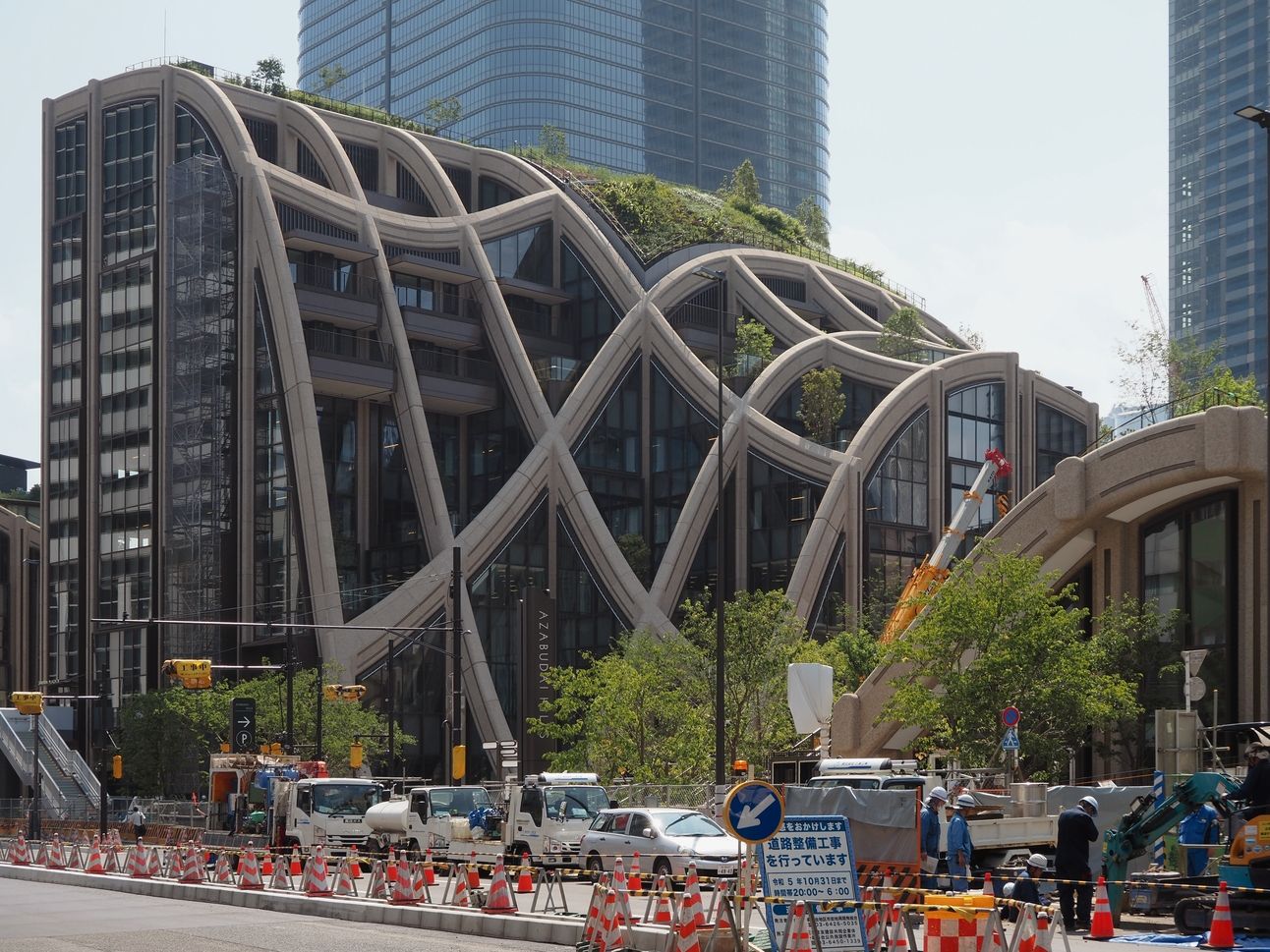
Azabudai Hills
This November, "Azabudai Hills," featuring Japan's tallest skyscraper, is set to open. This ambitious project is being spearheaded by Mori Building, one of Japan's foremost developers.
Mori Building's journey began with the rental business of two buildings and saw rapid growth during Japan's period of high economic growth. They managed to carve a niche among the conglomerate-led major developers. It's impossible to imagine Minato Ward's current brand image without the presence of Mori Building.
From its early days, the company has been engaged in the rental building business, mainly around Toranomon, with a vision to transform the once undeveloped Kamiyacho and Toranomon areas into the most modern international city.
In a bid to counter Marunouchi, which had already been established as Japan's business district, Minoru Mori, the former CEO who looked internationally, took on the challenge and gained high international recognition following the success of Roppongi Hills.

Roppongi HIlls
The upcoming Azabudai Hills can be seen as the third installment in a trilogy, closely situated to the previously developed Roppongi Hills and Toranomon Hills. Due to the complexity of landownership, negotiations for redevelopment took a considerable amount of time, eventually becoming a project spanning over 35 years.
Considering Minoru Mori, who likely initially conceived this vision, passed away in 2012, this project can also be seen as his legacy. What kind of city did Minoru Mori want to create in Tokyo? To understand this, one must revisit Le Corbusier's "Radiant City" concept.

Mori, like many contemporary Japanese architects of his time, was strongly influenced by Le Corbusier and was even a collector of his works, organizing exhibitions from his personal collection. The origin of Mori Building's urban development lies in this "Radiant City" concept. It paved the way for visions of modern cities, including proximity of work and residence, coexistence of the city and nature, and considering the city as a medium for cultural expression, as Mori himself noted in his writings.
The "Radiant City" conceived by Le Corbusier and carried forward by Mori – how long can this concept endure? When Roppongi Hills first opened, it seemed to perfectly align with the times, but conditions have significantly changed over the past 20 years. We may be witnessing the end of a cycle, or perhaps the essence of this concept is only beginning to be truly understood.
While it's challenging to foresee the future on such a long timescale, let's begin by experiencing the aura of Azabudai Hills this November.

Reply