- Rice Fish Miso Soup
- Posts
- Japan's Quirky Obsession: Exploring the Eccentric World of Rice
Japan's Quirky Obsession: Exploring the Eccentric World of Rice
From Analog Cookery to Electric Fascination, Unraveling Japan's Unique Relationship with Rice

Shu T
September 21, 2023
There's a small onigiri (rice ball) shop just one station away from Ikebukuro Station on the Yamanote Line, and it's known for its long queues. This shop, called "Bongo," is said to have customers waiting for up to two hours on weekdays and even up to six hours on weekends.
You might be thinking they must be serving something incredibly unique to warrant such lines. However, you'll be surprised to learn that they serve nothing but simple onigiri and miso soup.

The way the Japanese cherish white rice is somewhat unique, including myself. Rice cultivation began over 2,000 years ago in Japan, and it has been a staple food ever since. It's worth noting that until about 150 years ago, farm taxes and even samurai salaries were paid in rice. During World War II and the post-war food shortages, rice was so highly regarded that it was sometimes called "silver rice."
The attachment to white rice runs deep in the Japanese DNA, and it cannot be separated from our culture. However, in modern times, due to its ubiquity, some might not pay much attention to how it's prepared.
Since almost everyone has an electric rice cooker now, all you need to do is add water and press a button, and it will automatically cook your rice perfectly. Consequently, many have become indifferent to the cooking process itself.
Therefore, when you encounter rice cooked using a different method, you'll be surprised and delighted by the difference in taste. For instance, the rice at "Bongo" is cooked using a gas rice cooker. While gas cookers were widely used from the 1950s, they became less common after the advent of electric rice cookers and are now rarely seen.
Rice cooked with a high-powered gas cooker tastes incredibly fresh when you eat it today, leaving a strong impression. When you add the art of onigiri making and the warm personality of the owner, it's no wonder that long queues form quickly.

Hagama (winged pot)
Alternatively, there's a trend of returning to more analog methods, like the traditional way of cooking using hagama (a type of winged pot) or donabe (a clay pot), which were prevalent before the widespread use of rice cookers. While it may require a bit more effort, the taste is so delicious that it can awaken your senses.
People in Japan, who have been primarily consuming rice cooked in electric rice cookers, often find themselves exclaiming, "I didn't know rice could be this delicious!" as they delve deeper into the intricacies of rice cooking.
In fact, there's a resurgence of traditional cooking methods, with products like clay pots becoming hits again. It's quite amazing how a food that's been a staple for over 2,000 years can continue to elicit such premium excitement.
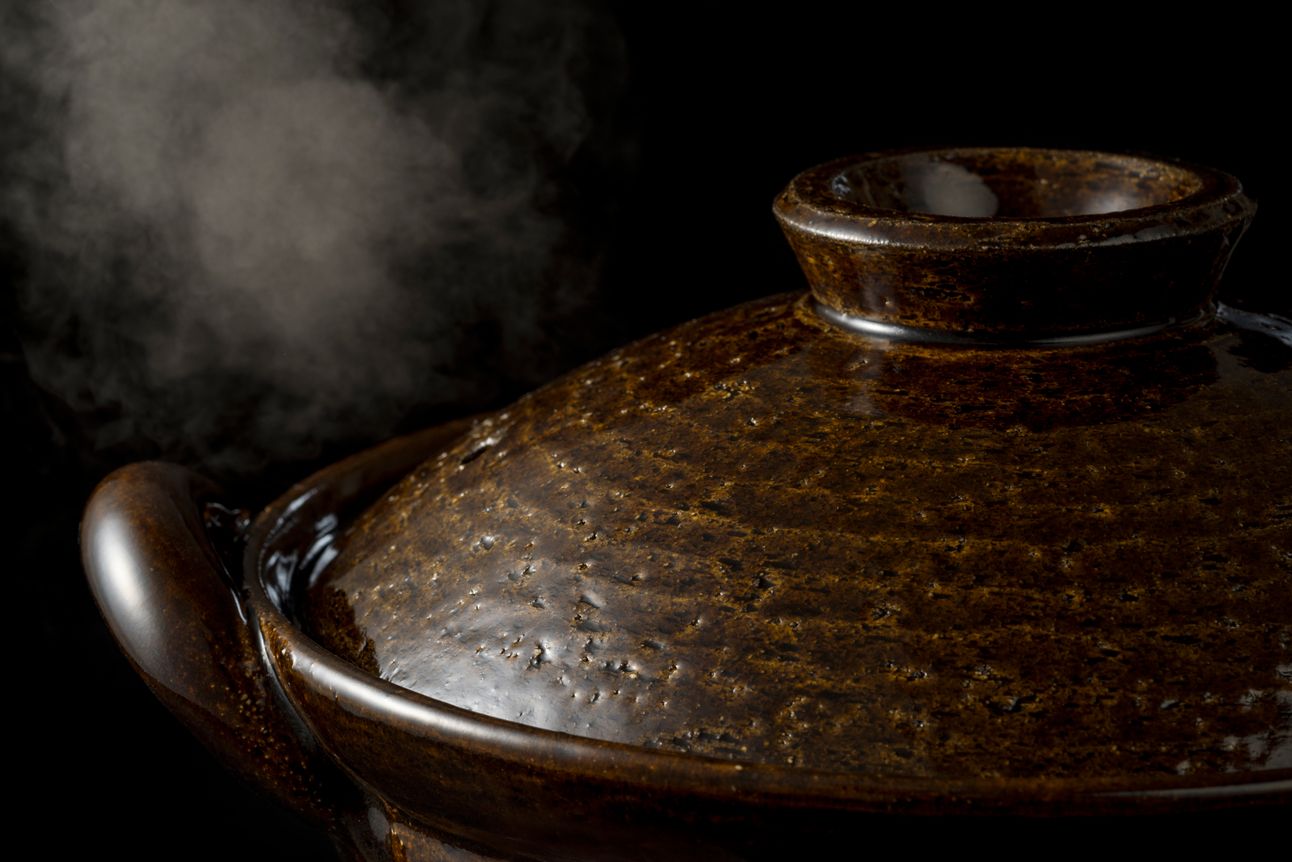
Donabe (clay pot)
While it's uncertain whether this would resonate with people from other countries, if you're looking to understand the essence of Japan, comparing different types of rice could be a great approach.

Reply